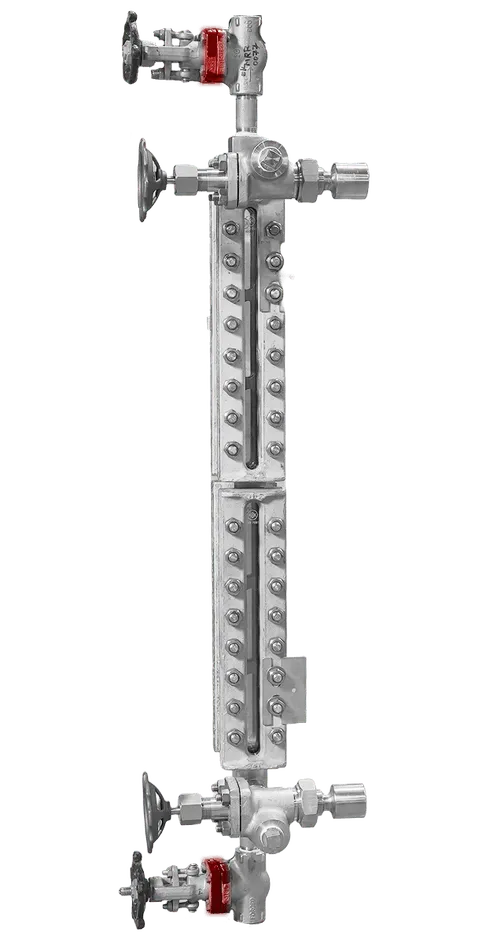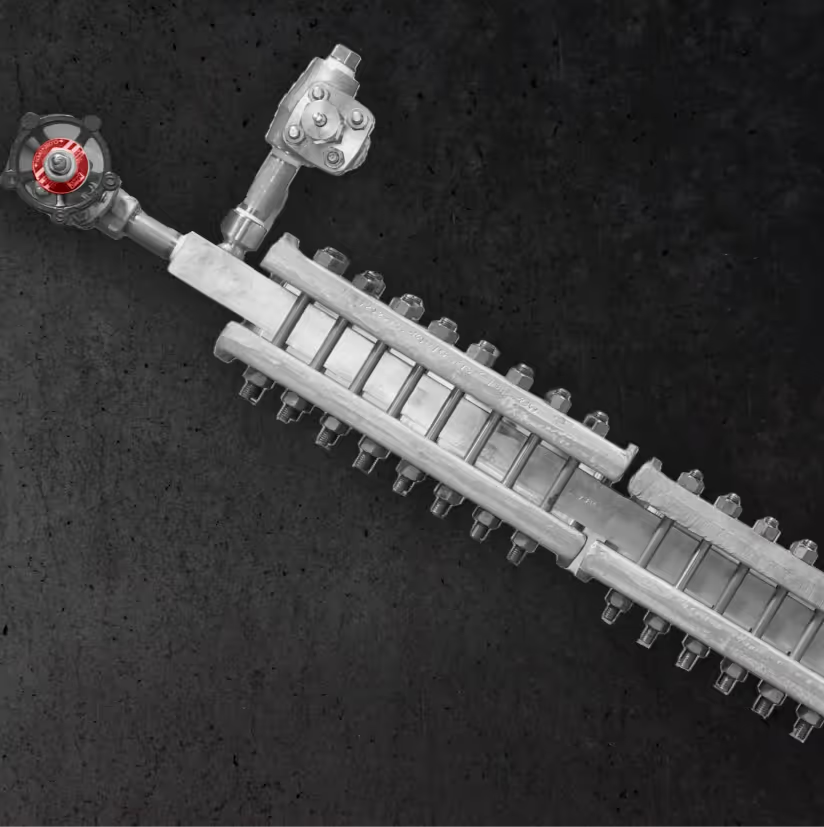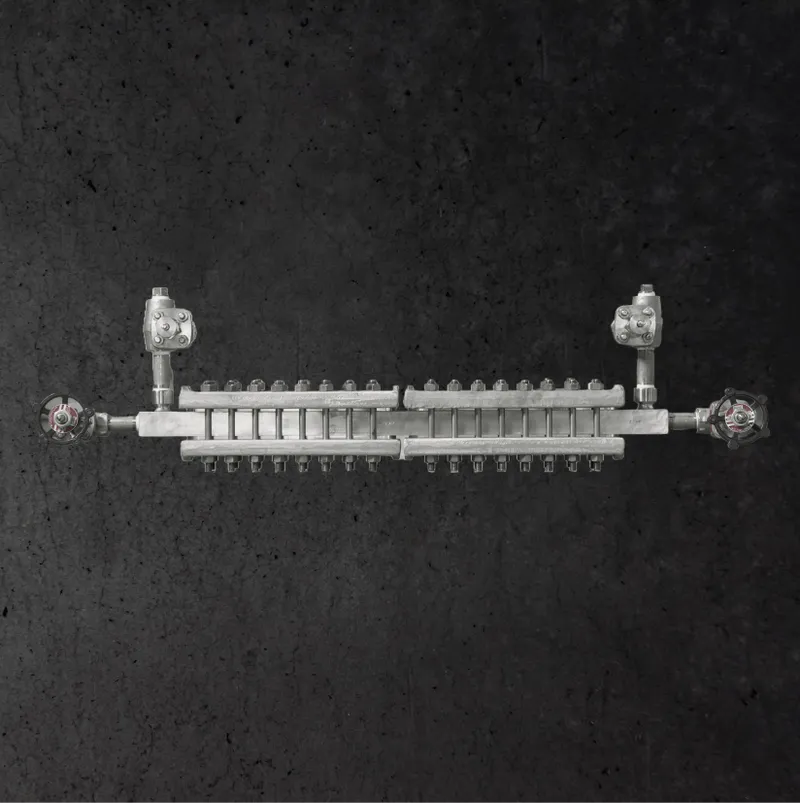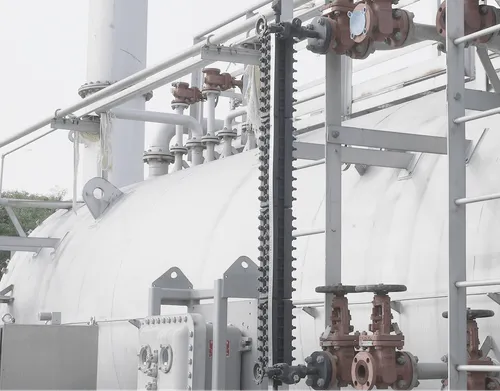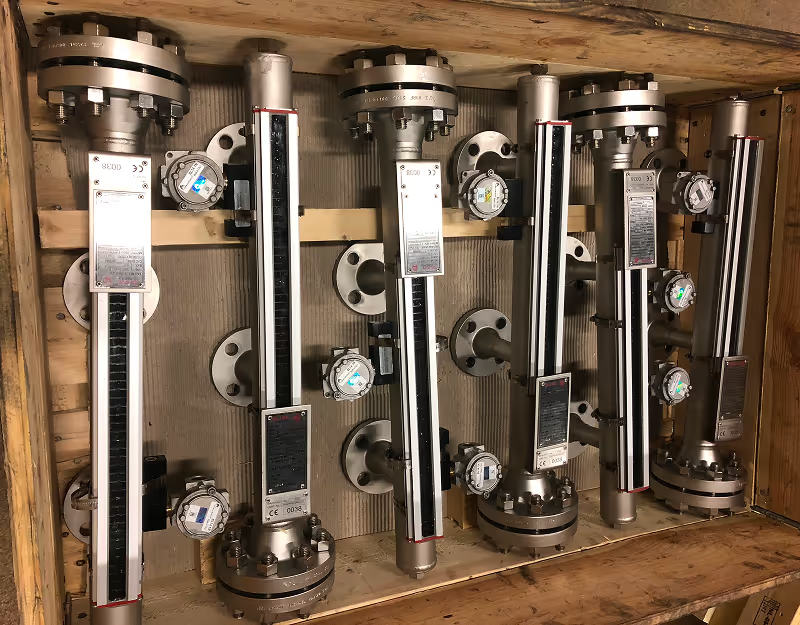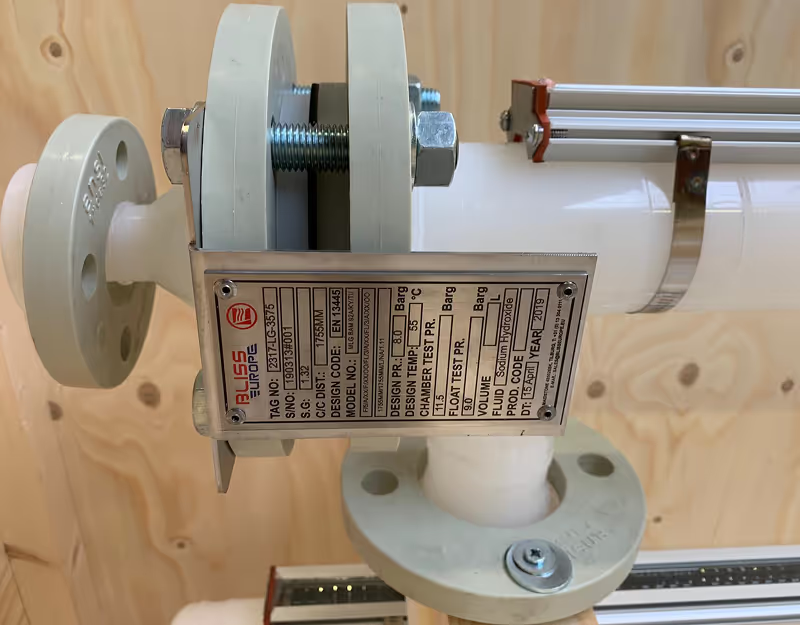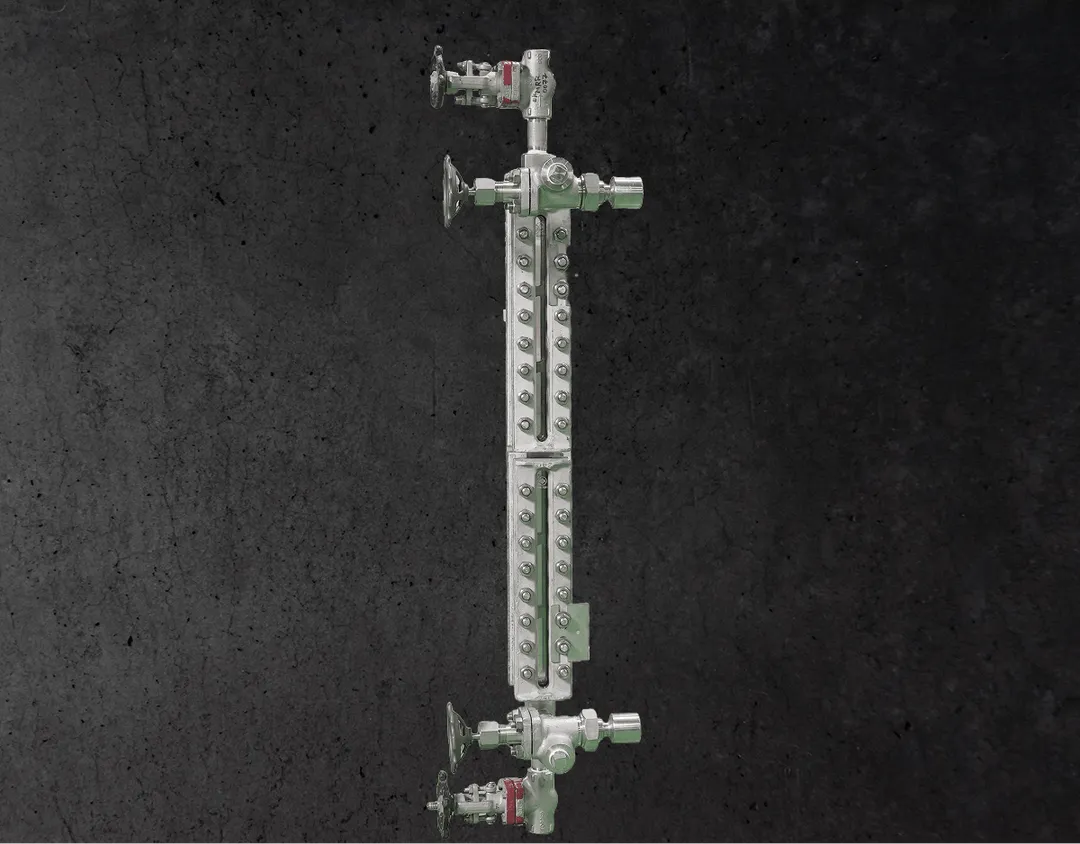
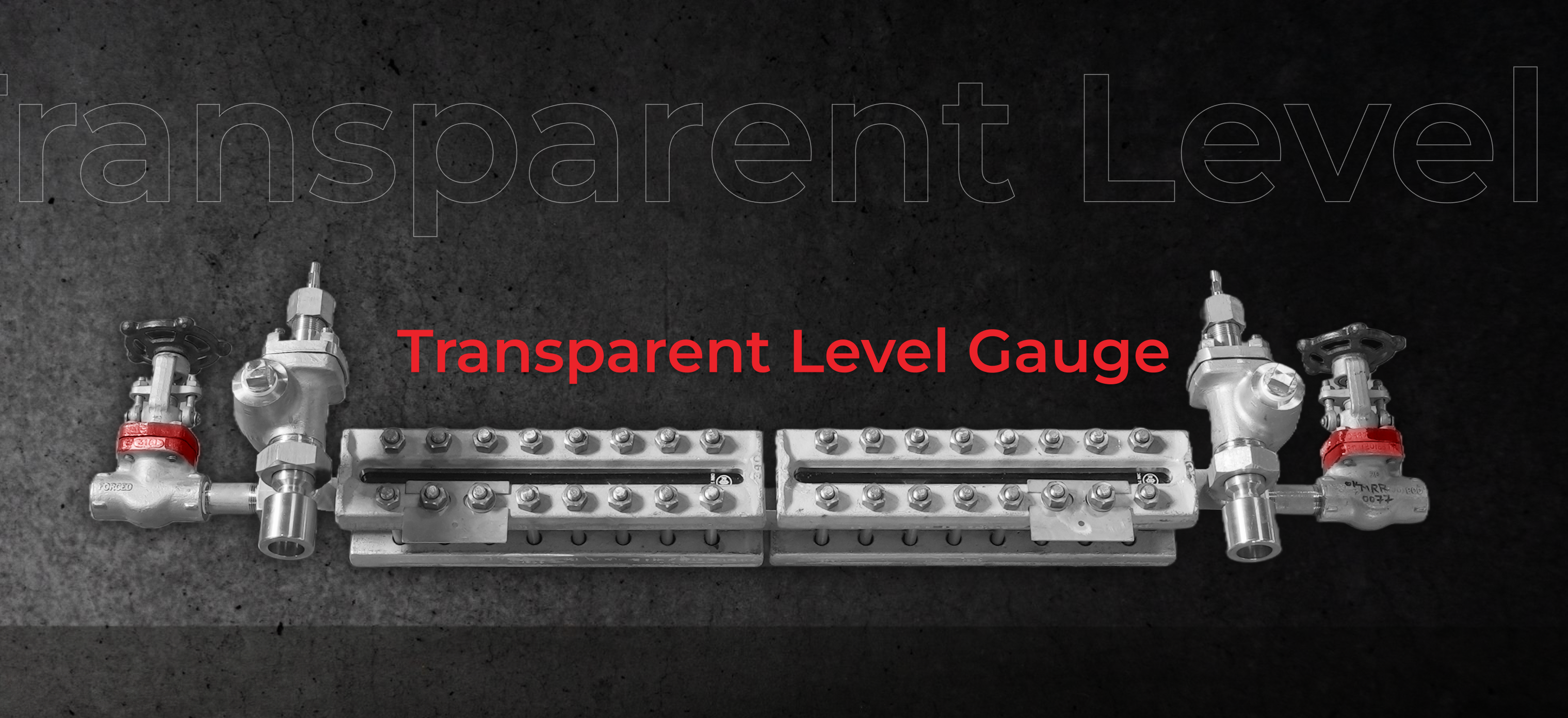


A transparent glass level gauge holds the liquid chamber between two flat glasses - one on the front face, one on the back. Because light passes through both glasses and the liquid between them, the operator sees the medium directly. This is the defining difference from a reflex gauge, which uses a single prismatic glass to show only a light/dark level boundary. The two-glass design is specified where the requirement goes beyond level indication: reading a liquid–liquid interface, judging color or clarity, or seeing into and through the vessel.
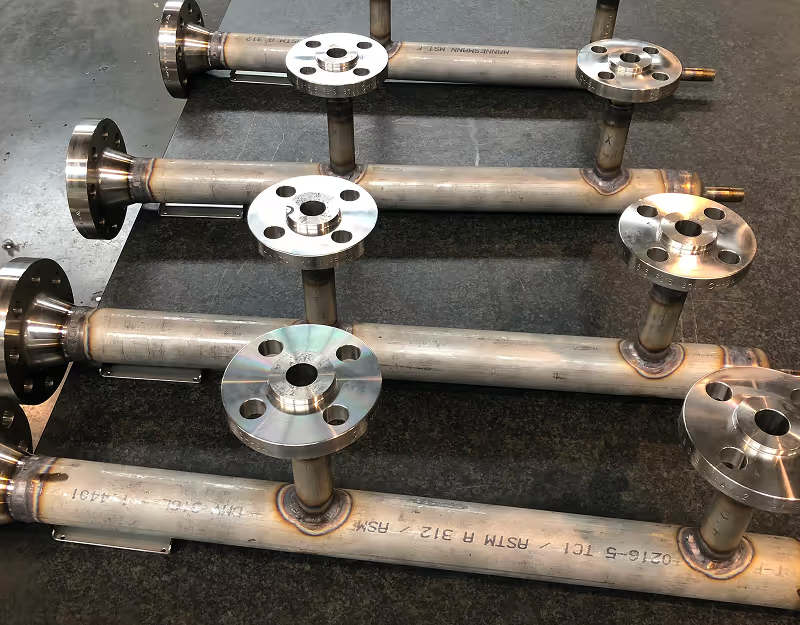
Bliss Americas builds transparent gauges in three liquid-chamber series - T-L, T-M, and T-H -selected by the pressure and temperature envelope of the application. All use a one-piece liquid chamber machined from solid bar stock, recessed and fine-finished gasket seats, and toughened glass clamped by chrome-molybdenum bolting. Visible length is built up from nine standard window sizes; longer spans use multiple windows on a single chamber rather than a welded assembly. Installed on opposite sides of a vessel, transparent gauges also allow through-vessel observation for interface duty.
On many process vessels, the operator does not just need to know how high the liquid sits - they need to see what the liquid is doing. A reflex gauge or an electronic transmitter reports a single-level value and cannot detect a liquid-liquid interface, a change in color or clarity, foaming, or two-phase carryover. On separators, reactors, and condensate systems, missing that information has process consequences.

Transparent gauges address the visibility-critical cases directly:
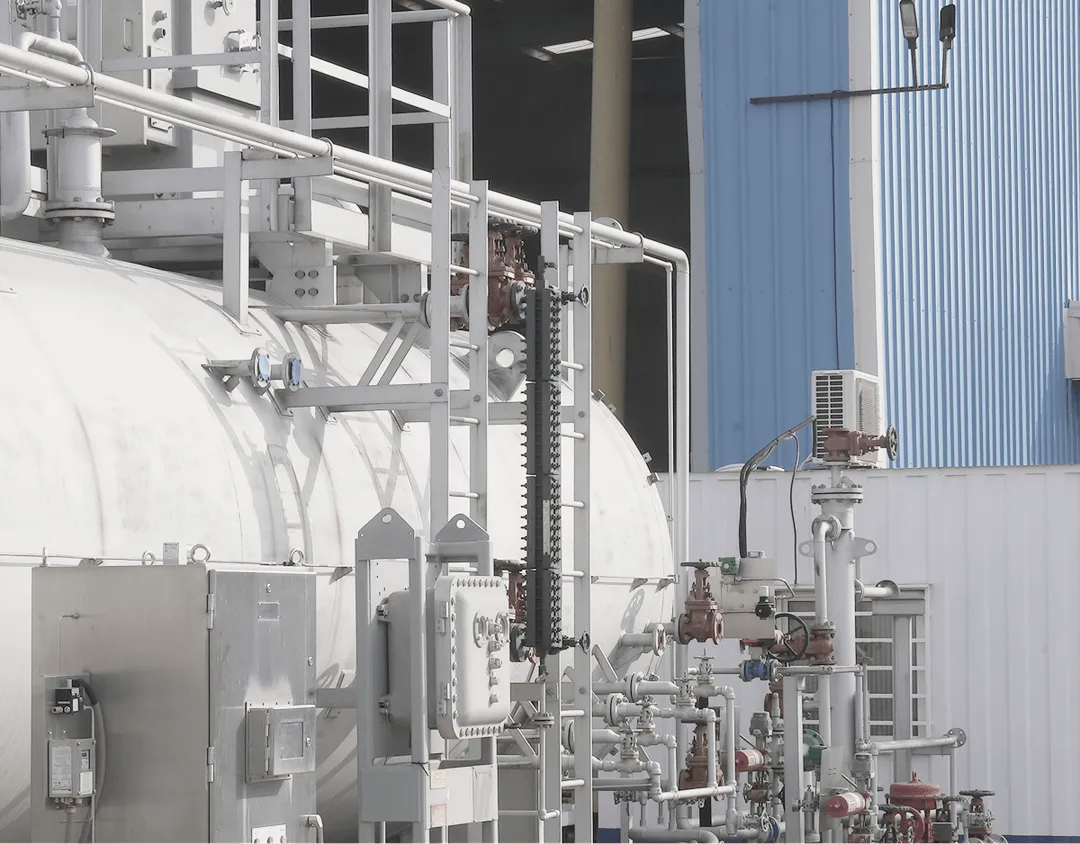
Transparent gauges are widely specified throughout Texas, Louisiana, and Oklahoma process facilities where operators require direct visibility of liquid interfaces, fluid condition, foaming, color variation, and phase separation inside pressurized vessels.

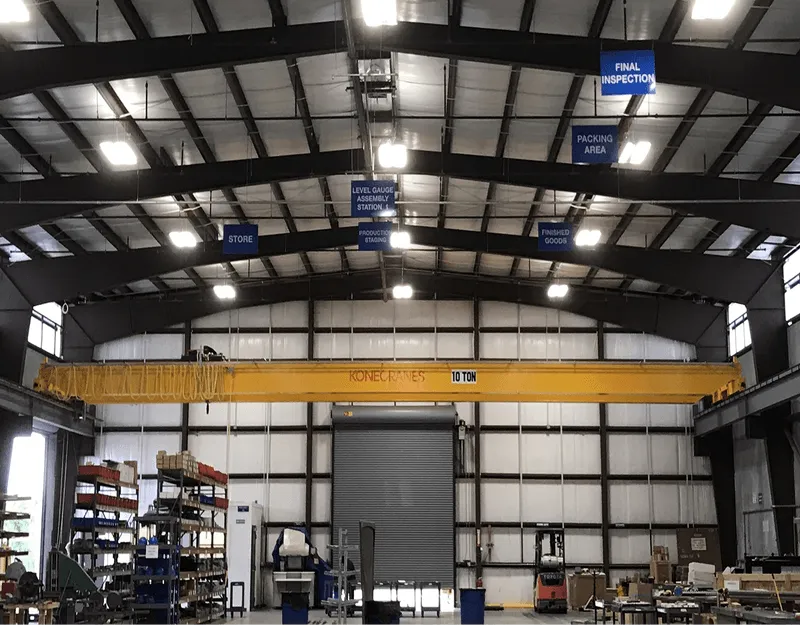
Engineering support, gauge assembly, and project coordination are managed through Bliss Americas operations in Sugar Land and La Porte, Texas, allowing responsive support for refinery, petrochemical, LNG, chemical processing, and oil & gas projects throughout the Gulf Coast region.
Each transparent gauge is engineered according to the customer’s process data sheet, including pressure, temperature, interface requirements, visible length, fluid compatibility, and material specification, before machining, assembly, and testing to the required pressure class.
The company brings over 50 years of manufacturing heritage, 15+ international certifications, and 500+ custom instruments and engineered systems deployed worldwide, supplied as an ISO-certified manufacturer with ASME B31.3- and PED-compliant designs.
Projects across Texas, Louisiana, and Oklahoma often require fast engineering review for separator vessels, boiler systems, reactors, and interface applications. Share your process conditions, and Bliss Americas will configure the appropriate transparent gauge arrangement for the service.
Include where possible: